
Some home problems can wait a few weeks while you get quotes, compare contractors, and work them into the budget. Others cannot. Emergency home repairs are situations where every day of delay makes the outcome worse, the cost higher, and the risk greater. Knowing which problems fall into this category and how to respond quickly is one of the most important things a homeowner can know.
What Qualifies as an Emergency Home Repair
Not every unexpected problem is a genuine emergency, but some conditions create immediate risks to your family’s safety, your home’s structure, or both. Emergency home repairs typically involve active water intrusion, compromised structural integrity, failed mechanical systems in extreme weather, gas leaks, or electrical hazards. The defining characteristic is that delay causes the situation to materially worsen rather than simply remain the same. The mental model that helps most homeowners is simple: if ignoring the problem for 48 hours makes it significantly worse, it’s an emergency. A leaking roof during a rainstorm, a burst pipe, a gas leak, or a foundation crack that’s actively shifting all fall clearly into this category.
Water Intrusion Is Always an Emergency Home Repair
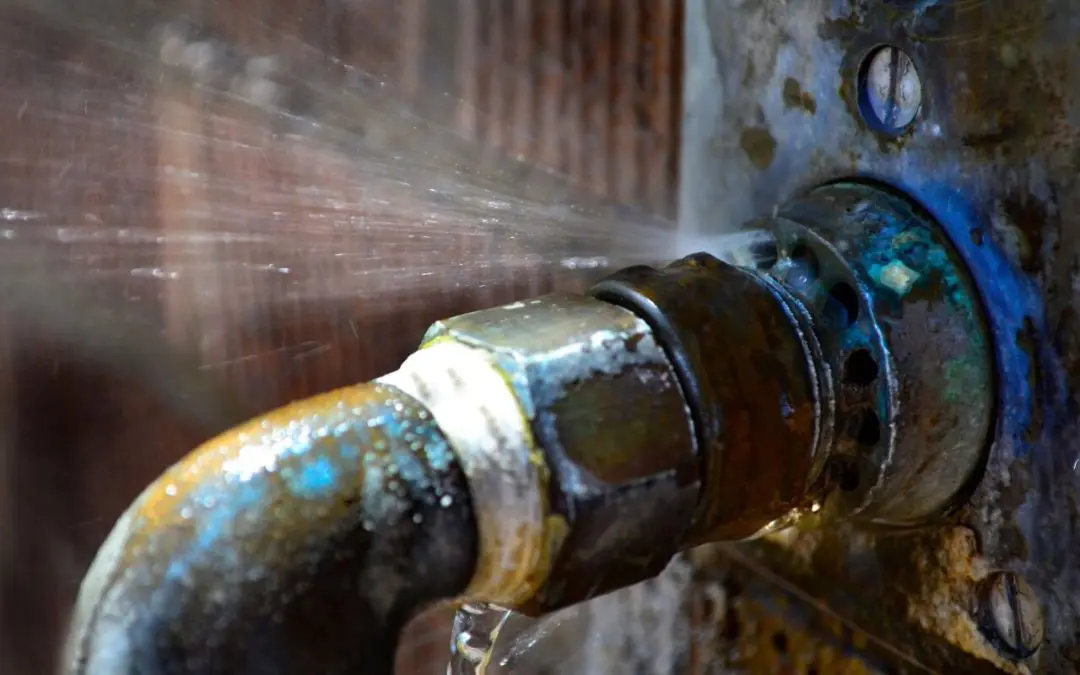
Water is the most destructive force in residential construction, and any active water intrusion requires immediate attention. A leaking roof allows water to saturate insulation, framing, and drywall with every rain event. Damage that compounds quickly and creates conditions for mold growth within 24 to 48 hours. A burst or leaking pipe needs to be addressed the moment it’s discovered. Start by shutting off the main water supply, then call a plumber. The longer water runs uncontrolled behind a wall or under a floor, the more structural damage accumulates, and the more expensive remediation becomes. Flooded basements warrant the same urgency. Water sitting against a foundation creates hydrostatic pressure and accelerates existing structural vulnerabilities. Get the water out, identify the source, and address drainage as quickly as possible.
Structural and Mechanical Emergency Home Repairs
A foundation crack that’s suddenly wider, a ceiling visibly sagging, a wall that’s bowing require immediate professional evaluation. These aren’t situations for a YouTube tutorial; they require a structural engineer or experienced contractor to assess the risk before anyone continues moving normally in the affected area. On the mechanical side, a failed HVAC system in extreme temperatures qualifies as an emergency home repair depending on household vulnerability. For elderly residents, young children, or anyone with health conditions, losing heat in freezing temperatures or cooling during a heat wave creates a genuine safety risk. Most HVAC companies offer emergency service calls for exactly this reason. Gas leaks are never anything other than an emergency. If you smell gas, leave immediately, avoid operating any switches or devices, and call your gas company and 911 from outside.
Electrical Hazards That Demand Immediate Repairs
Electrical problems that fall into the emergency category include sparking outlets, breakers that trip repeatedly under normal load, burning smells from outlets or walls, and visible signs of arcing or heat damage. These conditions indicate active hazards that could start electrical fires, often inside wall cavities where they smolder undetected before becoming catastrophic. If you see sparking, smell burning from an outlet or wall, or discover signs of electrical arcing, shut off the relevant circuit and call a licensed electrician immediately. Electrical fires account for tens of thousands of residential fires annually, and the warning signs are almost always present if homeowners know what to look for and act quickly.
Frequently Asked Questions (FAQs)
How do I know if a home repair is a true emergency or just urgent?
The clearest test is whether waiting 24 to 48 hours will materially worsen the situation. Active water intrusion, gas leaks, electrical hazards, structural movement, and mechanical failures in extreme weather all meet this standard.
What should I do first when an emergency home repair situation happens?
Safety first, then damage control. For gas leaks, leave immediately. For water intrusion, shut off the supply. For electrical issues, cut power at the breaker. For structural concerns, keep people away from the affected area. Once safety is addressed, document with photos, call your homeowner’s insurance company, and contact the appropriate professional. Documentation matters; insurance claims require evidence of the condition at discovery.
Will my homeowner’s insurance cover emergency home repairs?
Many emergency home repairs are covered if they result from a sudden, accidental event. Gradual damage from deferred maintenance is typically excluded. Report covered events promptly and keep records of all emergency repairs, contractor invoices, and insurer communications.
How do I find a trustworthy contractor for emergency home repairs quickly?
Start with your insurance company; they often maintain lists of vetted contractors who handle emergency work. Neighbors and local community groups are reliable for fast referrals. Look for contractors with significant verified reviews, a local address, and verifiable licensing and insurance.
How can I reduce the likelihood of emergency home repairs?
Consistent preventative maintenance is the most effective strategy. Annual roof inspections, regular gutter cleaning, HVAC servicing before peak seasons, plumbing inspections that catch slow leaks before they become bursts, and electrical panel evaluations all address conditions that turn into emergency home repairs when neglected. A professional home inspection is a useful tool for identifying deferred maintenance before it becomes urgent.
Professional Inspection Network provides commercial inspections in Southern California. Contact us to request our services.