
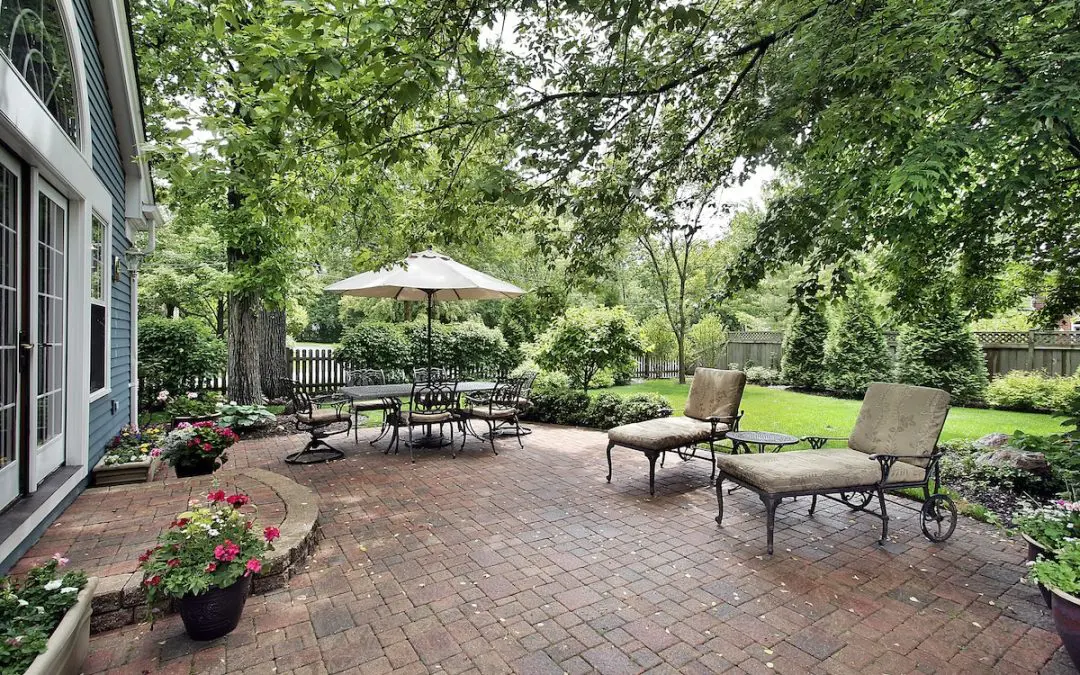
Creating a functional and visually appealing outdoor space is a priority for many homeowners, and understanding the benefits of hardscaping could make a significant difference in achieving that goal. Hardscaping refers to the non-living elements of landscaping, such as patios, walkways, retaining walls, and stone features. These elements not only enhance the structure and usability of a yard but also reduce maintenance and improve overall property value.
Why the Benefits of Hardscaping Matter for Homeowners
Outdoor spaces are an extension of the home, and hardscaping plays a key role in making those spaces more practical and enjoyable. By incorporating durable materials like stone, concrete, or brick, homeowners can create areas that are both functional and visually appealing. One of the biggest advantages is longevity. Unlike plants and grass that require constant care, hardscape features are designed to last for years with minimal upkeep. This makes them an excellent investment for homeowners looking to enhance their property without adding ongoing maintenance demands.
Enhance Curb Appeal with Hardscaping
First impressions matter, and a well-designed yard significantly improves a home’s curb appeal. Hardscaping adds structure and definition, creating clean lines and organized spaces that make the property look polished and inviting. Walkways, stone borders, and decorative features help guide visitors through the space while highlighting key areas of the yard. These visual improvements not only make the home more attractive but can also increase its market value.
The Practical Benefits of Hardscaping for Outdoor Living
Hardscaping makes outdoor spaces more usable by creating defined areas for different activities. Patios provide a place for dining and entertaining, while pathways improve accessibility and flow throughout the yard. These features allow homeowners to enjoy their outdoor space more often, whether hosting gatherings or simply relaxing outside. By adding functional elements, hardscaping transforms a yard into a true extension of the home.
Reduce Maintenance and Save Time
One of the most appealing benefits of hardscaping is the reduction in yard maintenance. Traditional lawns require regular mowing, watering, and fertilizing, while hardscape elements remain relatively low maintenance. Replacing sections of grass with stone or pavers could significantly cut down on the time and effort needed to maintain the yard. This is especially beneficial for homeowners with busy schedules or those looking for a more manageable outdoor space.
Improve Drainage and Prevent Erosion
Hardscaping can also address common landscaping challenges such as poor drainage and soil erosion. Features like retaining walls and properly designed pathways help control water flow and prevent damage to the yard. By managing water more effectively, homeowners protect both their landscaping and their home’s foundation. This practical benefit adds long-term value and helps avoid costly repairs.
Combine Hardscaping with Landscaping for Balance
While hardscaping offers many advantages, combining it with soft landscaping elements like plants and grass creates a balanced and natural look. The contrast between hard and soft elements adds depth and visual interest to the yard. Thoughtful design ensures that the space feels inviting rather than overly rigid. Integrating greenery with hardscape features creates a harmonious outdoor environment that feels both structured and welcoming.
Long-Term Value of the Benefits of Hardscaping
Investing in hardscaping can provide long-term financial benefits. Durable materials and low maintenance requirements reduce ongoing costs, while improved curb appeal increases property value. The benefits of hardscaping go beyond aesthetics, offering practical solutions that enhance both the functionality and value of a home. From reducing maintenance to improving drainage and creating usable outdoor spaces, hardscaping is a smart investment for any homeowner. With thoughtful planning and design, it is possible to create an outdoor environment that is both beautiful and easy to maintain.
Frequently Asked Questions (FAQ)
What is hardscaping in landscaping?
Hardscaping refers to the non-living elements of landscaping, such as patios, walkways, retaining walls, and other structural features made from materials like stone or concrete.
Are the benefits of hardscaping worth the investment?
Yes, hardscaping can increase property value, reduce maintenance, and improve the usability of outdoor spaces, making it a worthwhile investment for many homeowners.
Does hardscaping require maintenance?
While hardscaping is generally low maintenance, occasional cleaning and minor repairs may be needed to keep it in good condition.
Can hardscaping help with drainage issues?
Yes, properly designed hardscape features can improve drainage and prevent soil erosion by directing water flow effectively.
How do you balance hardscaping and landscaping?
Combining hardscape elements with plants and greenery creates a balanced and visually appealing outdoor space that feels both structured and natural.
Professional Inspection Network provides commercial inspections in Southern California. Contact us to request our services.