
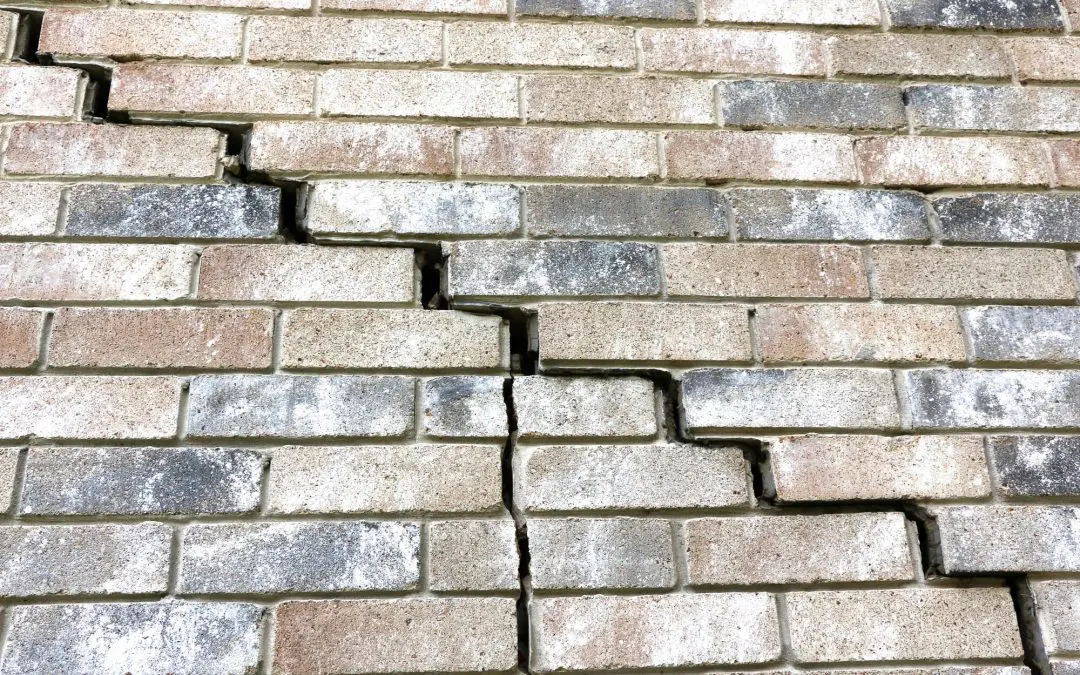
If you live in Southern California, earthquakes are part of life, and a little preparation goes a long way. You can’t predict when one will strike, but you can reduce injuries and damage by securing your home and planning ahead. Earthquake preparedness doesn’t require major construction or a large budget. Most of the important steps are simple, inexpensive, and can be done in a weekend. Here’s how to make your home safer and your household ready.
Secure Your Space as Part of Earthquake Preparedness
Most earthquake injuries come from falling objects, so start by anchoring what can fall. Anchor tall bookcases, dressers, and china cabinets to wall studs with brackets or straps, and secure televisions with straps made for the purpose. Use museum putty to hold down decorative items, and install latches on cabinet doors so dishes and glassware stay put. Move heavy items to lower shelves, and don’t hang heavy mirrors or framed art over beds or sofas. Place beds away from windows and heavy shelves where you can, so a fall can’t land on a sleeper. Walk through each room asking what could fall, slide, or tip, because those are the hazards to fix first. Don’t forget the kitchen and bathroom, where glass and heavy items are common, and consider safety film on large windows to reduce shattering.
Protect Utilities and Structural Weak Points
Good earthquake preparedness includes knowing where your shutoffs are. Strap the water heater to wall studs with two metal straps, because a toppled heater can cause a fire or flood. Learn how to turn off the gas with a wrench, and shut it off only if you smell gas or hear a leak, since only the utility can restore it. An automatic gas shutoff valve is an optional upgrade. Flexible connectors on gas and water lines can bend rather than break. If your older home has an unbolted foundation or cripple walls, a seismic retrofit may be worthwhile, and state programs sometimes offer financial help, so check eligibility. Also make sure your chimney and any masonry features are in good repair, since loose bricks can fall during shaking.
Build a Kit and a Family Plan
Store enough supplies to be self-sufficient for several days. Keep at least one gallon of water per person per day, nonperishable food, a flashlight and extra batteries, a battery-powered or hand-crank radio, a first aid kit, medications, a whistle, cash, copies of important documents, phone chargers, and supplies for pets. Keep sturdy shoes and a flashlight under each bed. Store the kit where you can reach it even if the garage is blocked, and keep smaller kits in your car and at work. This is the part of earthquake preparedness that pays off the most in the days after a quake. Refresh water and food every year or two, check batteries, and rotate medications before they expire so the kit is ready when you need it.
Practice Your Earthquake Preparedness Plan
When shaking starts, drop to your hands and knees, cover your head and neck under a sturdy table or desk, and hold on until it stops. Stay away from windows, mirrors, and heavy furniture. If you’re in bed, stay there and protect your head with a pillow. Outdoors, move away from buildings, power lines, and trees. Afterward, check for injuries, gas odors, and damage. Text rather than call to keep phone lines open. Agree on a meeting place and an out-of-area contact, and practice your plan with everyone in the household at least twice a year. Teach children and houseguests the plan too, so everyone knows what to do wherever they are in the house. California’s annual Great ShakeOut drill each October is a convenient reminder to practice and update your plan.
Frequently Asked Questions (FAQs)
Should I shut off the gas after an earthquake?
Only if you smell gas, hear hissing, or see obvious damage. Once the gas is off, only the utility should turn it back on, which can take days after a large event.
How much water should I store?
At least one gallon per person per day for three days, and more is better. Include water for pets, and rotate your stored water regularly so it stays fresh.
Does homeowner’s insurance cover earthquakes?
Standard policies don’t. Earthquake coverage is usually a separate policy with its own deductible, so ask your agent about options and what they cover.
Do older homes need special attention?
Yes. Homes with unbolted foundations or cripple walls may benefit from a seismic retrofit. A structural engineer or experienced retrofit contractor can evaluate yours and recommend upgrades.
Where should I keep my emergency supplies?
Somewhere easy to reach even if part of the house is blocked, such as a hallway closet or a sturdy outdoor bin. Keep smaller kits in your car and at work as well.
Professional Inspection Network provides home inspections in Southern California. Contact us to request our services.